Journal of Pharmaceutical Research
DOI: 10.18579/jopcr/v25.i1.123
Year: 2026, Volume: 25, Issue: 1, Pages: 20-28
Review Article
Lakshamana P Raghuwanshi1*, Shubham N Karle1, Riteshkumar B Mahajan1, Srushti A Oza1
1Department of Pharmaceutical Chemistry, P. E. Society`s Modern College of Pharmacy, , Nigdi, Pune- 411044, Maharashtra, India
*Corresponding Author
Lakshamana P Raghuwanshi
Email: [email protected]
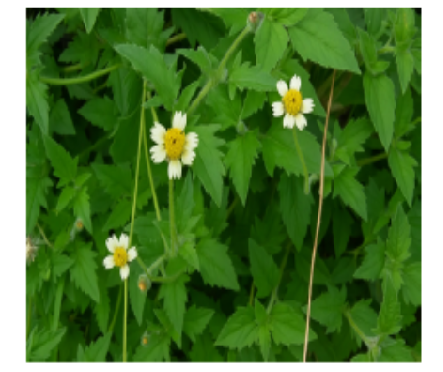
Hemostasis is the first and the most important stage of healing a wound as it keeps the blood in the wound and gives a possibility to the additional repair of a tissue. The Tridax procumbens L. was traditionally utilized to control the bleed as well as to treat the wounds though the molecular pathway of the activity is poorly examined. The conceptual approach to in silico research is the offered approach in the current study to study the hypothetical hemostatic processes of T. procumbens through the methods of hypothesis-generating such as network pharmacology and molecular docking. It was done by collecting literature and database reports of reported phytoconstituents of T. procumbens and short listing drug-likeness and pharmacokinetic viable phytoconstituents. This was followed by computational prediction of possible molecular targets in regard to hemostasis as well as wound repair and the theoretical construction of the network and the healthy visualization of the pathway enrichment of the network to identify the important biological processes. The relative binding affinity of the phytochemicals of the chosen phytochemicals was approximated by a molecular docking of the phytochemicals to the representative hemostatic targets. The network-based analysis indicated that a number of phytochemicals might be able to act in a synergistic manner on the coagulation-related signaling, platelet activity, inflammatory regulation, and the allocation of the extra cells at the optimal site. The results of docking indicate the positive theoretical interaction evident in the process of hemostatic modulation as possible. It is only a calculational investigation, which has not been verified by experimental or clinical means. Prediction of future experimental and clinical research on the study of the hemostatic and wound-healing of Tridax procumbens may be made using the obtained results.
Keywords: <I>Tridax procumbens</I>, Hemostasis, Wound healing, Network pharmacology, Molecular docking, <I>In silico</I> study
A debilitating genetic bleeding condition called Hemophilia (Hemophilia A: MIM 306700; Hemophilia B: MIM 300746), is caused by the deficiency or impaired action of coagulation Factor IX (FIX) or factor VIII (FVIII), respectively. This genetic defect alters the inherent pathway of the coagulation cascade causing a severe disability of fibrin clotting. The clinical manifestation of hemophilia is spontaneous and continued bleeding, systemic (most often into joints (hemarthroses) and muscles), which, when untreated, leads to chronic pain, arthropathy development, and severe deformity. Hemorrhages that can be life-threaten like hemorrhages inside the brain are a serious development too[1]. Present day management includes intravenous clotting factor concentrates of recombinant or plasma-derived factor. Although these treatment methods have achieved remarkable success in patient care, its large-scale adoption has strong obstacles: high cost, restricted access, especially in resource-deficient areas; the difficulty in ensuring cold-chain integrity during delivery; and the perplexing issue of inhibitor antibody formation, which makes factor replacement ineffective in a major portion of patients. The presence of these imposing barriers highlights an urgent unmet demand of alternative and low-cost complementary therapeutic approaches that may promote or complement current treatments or a position by itself in mild cases or as an adjunctary therapy, particularly in patients with inhibitors[2].
The history of drug discovery has always been rich in nature with the traditional medicinal plants, whose pharmacological activity is usually multi-component and multi-target in nature, having enormous potential. Tridax procumbens Linn. (Family: Asteraceae), also known as coats buttons, Tridax daisy, is an omnipresent, herbaceous plant, which is common around the world in tropical and subtropical areas. Even though it is commonly categorized as an invasive weed, its history of wide use as an ethnomedicine with a long record in other traditional systems in Asia and Africa underlies this versatility in its therapeutic application. It is important to note that Tridax procumbens has been long since held in high esteem as a result of its exceptional
wound-healing and hemostatic effects and as such can be an interesting specimen to consider in bleeding disorders. The complexity involved in pathophysiology of hemophilia and natural multi-compound herbals require an escape of reductionist research paradigms of one drug, one target research. Network pharmacology provides a paradigm shift by providing a systems level dynamics that is able to break down the interplay between many bioactive compounds in a plant extract and many concurrently interacting targets in a biological system. This review will be a systematic bid to examine the therapeutic possibilities of Tridax procumbens in hemophilia by combining available ethnopharmacological data with a proposed network pharmacology model. We aim to show the multi-target, multi-pathway processes the Tridax procumbens constituents may somehow regulate coagulation, platelets, and inflammation, which will give a proper scientificial justification of its use in the management of hemophilia[3].
| Region / Country | Community / Traditional system | Plant part used | Preparation method | Reported hemostatic experimental evidence |
|---|---|---|---|---|
| India (various states) | Ayurveda, folk medicine | Fresh leaves | Crushed leaf paste or fresh juice applied topically | Animal and in vitro studies reported reduced bleeding time and clotting time, supporting topical hemostatic activity |
| India: rural & tribal areas | Ethnomedicine | Leaves | Ethanolic and aqueous extracts | In vitro coagulation assays showed decreased clotting time and prothrombin time, suggesting procoagulant potential |
| Nigeria | Traditional healers | Leaves | Fresh sap or decoction | Experimental wound models demonstrated faster hemostasis and early clot formation |
| Ghana | Indigenous medicine | Aerial parts | Poultice applied to wounds | Reported reduction in bleeding and enhanced wound contraction in animal studies |
| India: laboratory studies | experimental studies | Leaf extract | Ethanolic extract (oral/topical) | Significant reduction in bleeding time, clotting time, PT and aPTT in animal models, indicating modulation of intrinsic and extrinsic pathways |
|
India: biochemical studies |
Isolated compound studies | Leaves | Purified protein fraction | Isolation of a serine protease exhibiting procoagulant activity and enhanced platelet aggregation in vitro |
Hemostatic dysfunction is a multifactorial disease, that may take place either owing to lack of coagulation factors disorders or secondary hemostasis disorder or owing to dysregulation of supportive pathways that play a significant role in clot stabilization and tissue repair. Deficiency or pathological fluctuations of coagulation factors cause an imbalance in the fibrin formation mechanisms, and platelet activation and aggregation malfunction worsens the primary clotting mechanism. In addition, the stability of the vascularity and positive wound healing depend on the endothelial stability and contained inflammatory features. The intricate and interdependent pathophysiology of this complication may not respond to unidirectional therapy to achieve hemostatic balance. The multi-component and
multi-target quality of the forms produced by plants provides the logical choice of simultaneous induction or inhibition of the coagulation cascades, platelet activity, endothelium responses and inflammation. It is on such a systems-level mechanism that the medicinal plants as supplementary or subsidiary structures in the hemostatic regulation may be explored. Several test research articles have been done to test the coagulational effects of Tridax procumbens. A report of an in vitro study in vitro indicated that ethanolic leaf extracts reduced the clotting time and accelerated the prothrombin time in the different groups of human blood using the LeeWhite method which led to a potential procoagulant effect of the extract on in vitro clotting. Other research studies determined that ethanolic extract, fresh leaf juice and petroleum ether extract of T. procumbens leaves reduced clotting time of a blood sample with ethanolic extract being the most effective hemostatic extract. In a separate phytochemical investigation, the procoagulant activity of a serine protease of T. procumbens was isolated attributing a procoagulant effect to the realization of multiple stages of the coagulation cascade. Moreover, the freeze dried leaf extracts of T. procumbens in an animal model presented low bleeding and clotting time, lack of prothrombin, and activation of partial thromboplastin period suggestion of work across both intrinsic and extrinsic.
Tridax procumbens has had a rich ethnomedical history and this can be seen especially in the systems of Asian and African traditional medicine where it is used to treat a wide variety of ailments. Its classical uses have been in antimicrobial, anti-inflammatory, antioxidant, hepatoprotective, and antidiabetic effects. More importantly, due to the wide-ranging applicability of hemostatic and wound-healing methods used in preventing hemophilia, its applicability in practice is firmly embedded in folk tradition and is largely utilized as a hemostatic instrument and a dressing agent[4, 5].
Ethnomedical Bleeding: Historically, it is recommended to apply directly on open wounds, cuts, lacerations, bruises and other wounds, the fresh leaf juice or a poultice of the crushed leaves of Tridax procumbens to stem the bleeding and speed up healing. This common practice in various cultures is very powerful evidence of the compounds that were used in immediate local pro-coagulant and wound-deriving properties. The widespread opinion is that it assists in thickening of blood or clotting of blood on the injury site.
Experimental Coagulation Studies: There is early scientific evidence of support of the traditional assertions about the hemostatic efficacy of Tridax procumbens.
Limited Time to Clot: A portion of in vitro studies have shown that the different extracts (e.g., ethanolic, petroleum ether, aqueous) of Tridax procumbens leaves have a considerable effect in reducing whole blood clotting time of both human and animal plasma samples, as assessed by conventional methods such as the Lee-White clotting time or prothrombin time (PT) and activated partial thromboplastin time (aPTT). This noted decreased clotting time is a direct indication of a pro-coagulant effect.
Platelet Aggregation: Although there are reports of anti-platelet action of certain isolated compounds or at particular concentrations, there are reports that a number of crude extracts can act on platelet aggregation, an essential process in primary hemostasis. The net effect on the platelet functioning in the pro-hemostatic situation should be further evaluated in detail.
Serine Protease Modulation: Though there is a lack of direct evidence linking Tridax procumbens components modulating specific serine protease of the coagulation cascade (e.g. thrombin, Factor Xa) directly, the observed reduction in overall clotting time is indicative of an effect on these enzyme stages. This leads to a possible place of deep mechanistic researches.
Wound Healing Models: It has been established by many in vivo experiments in animal models of dermal wounds that topical application or oral administration of Tridax procumbens extracts hastens several phases of wound healing and these include initial hemostasis, inflammation, proliferation and remodeling. This wound-healing effect is based on successful clot formation as the initial important measure as an inherent part and complements the hemostatic effects even further. Its anti-inflammatory and antimicrobial properties also help in providing a favorable healing condition which renders it very helpful in eliminating secondary complications of hemophilia.
Although these initial results are promising, they are usually not sufficiently detailed to identify the specific molecular targets and the exact pathways of action of complex pathways such as the coagulation cascade and in particular to study in specific factor strains identified in hemophilia. It is in this point that network pharmacology stands to give invaluable contributions.
The diverse pharmacological activities attributed to Tridax procumbens are a direct consequence of its rich and varied phytochemical composition[6].
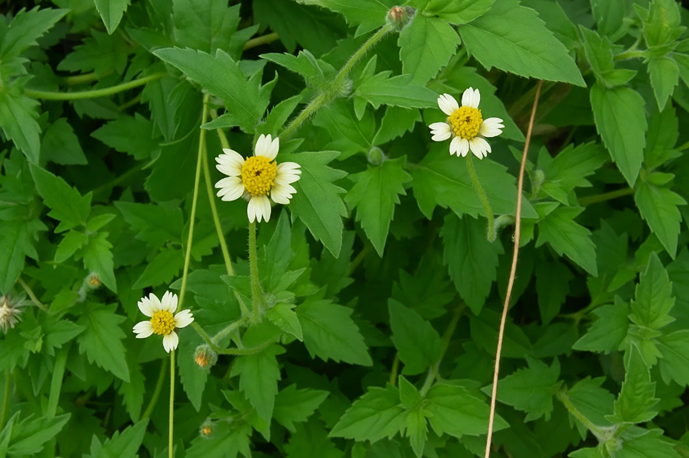
Comprehensive phytochemical studies have singled out some of the most important classes of substances:
Flavonoids: This is among the most eminent groups of compounds in Tridax procumbens. Some major flavonoids that are found include quercetin, luteolin, kaempferol, rutin, glucoluteolin, and isoquercetin. They have been widely known to have strong antioxidant, anti-inflammatory and free-radical scavenging actions. Regarding the role in the hemostasis process, the particular flavonoid products have been tested to tune platelet aggregation, affecting platelet fragility and capillary permeability, as well as reacting with other enzymes and proteins of the coagulation cascade. B-Sitosterol is an important sterol present in this food. The sterols have proximate anti-inflammatory, antioxidant, and immunomodulatory properties that have been recognized to have vast potential in reducing inflammation related to hemarthrosis particularly b-sitosterol.
Triterpenoids: These are used to refer to compounds such oleanolic acid, etc. Triterpenoids have a broad spectrum of biological activities among them anti-inflammatory, hepatoprotective and to a limited extent pro-coagulant. Their role in creating the profile of hemostatic conduct of the Tridax procumbens may be significant in many ways.
Tannins: Tridax procumbens contains tannins, which comprise of tannic acid. Polyphenolic compounds are referred to as tannins, but with the attribute of astringency, and hence contribute to the precipitation of proteins. The given property has a direct relationship with hemostasis since tannins are capable of causing vasoconstriction leading to formation of a protective layer of protein at the damage zone, which facilitates mechanical hemostasis.
Saponins: Saponins are a wide-ranging family of glycosides that interact with cell membranes, and which locally can behave in a variety of biological activities albeit remains to be fully clearer how saponins contribute to hemostasis.
Alkaloids: Tridaxin and betaine are some compounds that have been isolated. Although other alkaloids may influence coagulation, betaine is interesting in terms of metabolism and the possible hepatoprotective practice that may indirectly aid the synthetic action of liver on the clotting factors.
Phenolic Acids: It is possible to mention other phenolic compounds and acids that make the plant have antioxidant capacity in addition to flavonoids.
Also present are several types of saturated and unsaturated fatty acids (e.g., myristic, palmitic, linoleic, arachidic acids, etc.). Although not directly pro-coagulant they are involved in cellular membrane stability and signals.
Proteases/Enzymes: Tridax procumbens is not in essence an enzyme known as any particular pro-coagulant enzyme such as are distinct plants relying on superior enzymes (e.g. papain). The overall biological performance of complex plant extracts may be through enzymatic action. More study is required to check whether there are certain enzymes or compounds which can regulate the endogenous proteases of coagulation system when they are present and active. Yet, the overwhelming evidence on hemostat indicates that the compound present do interrelate with the proteolytic cascades that mediate clotting[7-9].
The net effect of these many bioactive compounds instead of that of a single one unofficially known as an active principle is intensely probable behind the overall effects of Tridax procumbens itself regarding treatment. This necessitates its complexity that is a perfect target of research under network pharmacology.
To determine how particular Tridax procumbens phytochemical classes have a potential to act mechanistically in hemophilia the pharmacologically known activities of these compounds and their possible interplay in the complex hemophilia and inflammatory interactions should be taken into consideration[10].
Factors Coagulation: active constituents of the coagulation cascade have been reported to be involved with some flavonoids. As an example, others can modulate the activity of thrombin (Factor IIa), Factor Xa or Factor IXa, by binding directly or indirectly, via their activation/inactivation mechanisms. They may also stabilize the current factors or change the activity of natural anticoagulants such as antithrombin or protein C, to cause the balance in favor of procoagulation. Some flavonoid may be able to suppress tissue factor pathway inhibitor (TFPI) so as to encourage coagulation.
Platelet Function: Flavonoids are selectively anti-platelet (e.g. inhibitors of cyclooxygenase) or pro-platelet (capable of platelet adhesion or aggregation at lower, physiological concentration) agents or indirectly improve vascular endothelial activity. Soft improvement of platelet plugging may play a role in the initial hemostasis in hemophilia.
Vascular Integrity: Rutin and quercetin have been specifically mentioned to be useful in strengthening capillary walls, lowering the capillary fragility, and lowering vascular permeability. The effect is essential in hemophilia cases where a little bit of trauma may cause long-term bleeding since vessel walls are weak. Flavonoids can be used in improving the vascular integrity of the body therefore diminishing the tendency of spontaneous bleeding and promoting the ability to shield clotting forming.
Anti-inflammatory Effects: Flavonoids strongly inhibit important inflammatory pathways like NF-kB, MAPK, PI3K/Akt, and prevent the synthesis of pro-inflammatory cytokines (e.g., IL-1 0 -10, IL-6, TNF- 01.A.) and chemokines. Periodic hemarthroses cause bone erosion, inflammation, synovitis in hemophilia, which then causes the destruction of the joints. The Tridax procumbens flavonoids have anti-inflammatory effects that would go a long way to alleviate these secondary complications, alleviate pain and maintain joint functions[11].
Roles: Triterpenoids, such as oleanolic acid, are potent anti-inflammatory agents, and are frequently linked to the mechanism of inhibiting the activation of NF-kB, the expression of pro-inflammatory enzymes (e.g. COX-2, iNOS), and cytokines release. This is very applicable in the reduction of the inflammatory sequelae of hemophilic bleeding.
Hepatoprotective Effects: Triterpenoids Compounds of the third kind are hepatoprotective. Since a significant number of coagulation factors are produced in the liver, preservation or enhancement of liver function may have an indirect benefit of facilitating optimum (although nevertheless inadequate in hemophilia) factor production and in general homeostasis.
Potential Direct Coagulation Influence: with few studies looking at triterpenoids, some triterpenoids have been reported to modify the components of coagulation cascade, or fibrinolysis, which may either cause clot formation or inhibit its early degradation.
Anti-inflammatory and Immunomodulatory: β-sitosterol is also known to have anti-inflammatory effect, mainly by regulating the immune responses and production of the cytokines. This plays a major role in controlling inflammatory hemophilia.
Membrane Stabilization: The sterols being a part of cell membrane may help to keep the membrane intact, and active to communicate charges at an indirect level that might play a part in the regulation of endothelial cell functions, platelet activation[12]
The second one is the use of tannin as a Direct Astringent Action: It is known that tannins bind and precipitate proteins. When topically applied to a bleeding point, it causes prompt local vasoconstriction followed by the generation of a proteinaceous plug, which essentially puts a capillary and small vessel bleeding to a standstill. This is a direct pro-hemostatic process.
Vasoconstriction: Tannins cause local constriction of blood vessels, which attenuates blood flow to the injury site, which helps in the formation of clots and that excessive loss of blood is prevented.
Fibrinogen Modifiers: The protein-precipitating activity may also react with fibrinogen or fibrin monomers, which would be aggregated and stabilize the forming clot.
These combined approaches of targeting these different pathways, i.e., direct coagulation enhancement, platelet modulation of function, vascular strengthening and suppression of inflammation have the potential to provide a synergistic therapy to hemophilia, owing to the multi-component nature of Tridax procumbens, which is best understood through the lens of network pharmacology[13].
Network pharmacology of Tridax procumbens to investigate itself in the treatment of hemophilia is a multi-step, multi-computational and experimental pipeline that is systematically applied to disclose complex processes.
The first one will be the complete identification and extraction of all known chemical constituents of Tridax procumbens. This is achieved through:
The phytochemical research on Tridax procumbens in the vast literature (PubMed, Web of Science, Scopus).
Search of existing databases in phytochemicals, including PubChem, ChEMBL, Traditional Chinese Medicine Systems Pharmacology Database and Analysis Platform (TCMSP), TCM-ID, HERB (Herbal Encyclopedia for Research).
Giving preference to compounds that have been reported to have pharmacological activity or structural similarity with known bioactive molecules.
Gathering of standard structural representations (SMILES, InChIKey) of every compound experienced.
In the case of absorption, distribution, metabolism and excretion (ADME) properties, which are pre-packaged today, that contain information about compounds with high oral bioavailability and drug-likeness[14].
In silico prediction of human protein targets of each identified Tridax procumbens compound are calculated using advanced in silico tools. Such tools use different algorithms such as ligand-based similarity, pharmacophore mapping, machine learning models to predict interactions:
SwissTargetPrediction: SwissTargetPrediction is a tool to predict protein targets depending on the similarity of the ligand to known ligand binders in a large chemical space.
PharmMapper: works using pharmacophore models based on ligand-target complexes to find possible targets.
STITCH (Search tool of interactions of chemicals and proteins): This tool combines the information about protein-chemical interactions provided by multiple sources, such as the ones obtained experimentally and by text mining.
TargetNet / Way2Drug-PASS Online: Has the ability to predict biological activities and potential targets depending on the chemical structure. The predictions are filtered and human-proteins that have high scores in terms of confidence are put into the first list[15].
At the same time, a database of all curated genes and proteins involved in hemophilia and hemostatic system in general is being built. This involves:
Disease Gene/Protein Retrieval: The query of disease-specific databases, including GeneCards, DisGeNET, Online Mendelian Inheritance in Man (OMIM) and NCBI Gene.
Target Hemostatic Pathways: Target F2, F5, F7, F8, F9, F10, F11, F12, F13, Fibrinogen and F13, F12, F13, F14, F15, F6, F6tegrin Signaling/NF-CKB, MAPK Signaling, and Cytokine Receptors.
Cross-referencing and Validation: Making sure that the targets identified are established so well in relation to human physiology and disease[16].
The existing Tridax procumbens compounds, their estimated targets, and the hemophilia-related targets are synthesized into elaborate networks:
Compound-Target Network: Bipartite network is created to have a bipartite representation where node numbers are Tridax procumbens compounds, and where the relationships among the nodes are predicted or known interactions.
Protein-protein Interaction (PPI) Network The intersection targets (that are shared by Tridax procumbens targets and hemophilia targets) are inputted into PPI databases (eg. STRING, BioGRID, IntAct). This enables the formation of interaction network among these proteins, which discloses direct physical interactions.
Disease-Pathway Network: Mapping the known disease pathways and the relationships between the targets identified and the known disease pathways. Tools Network Visualization and Analysis Network Visualization and Analysis: Visualization of such complex networks is done through such tools as Cytoscape. It can be enhanced in the form of different layout and styles to make it clearer[17].
Once the networks are constructed, advanced topological analysis and functional enrichment analyses are performed:
Network Topology Analysis: centrality measures on PPI network nodes are computed using Cytoscape plugins (e.g. NetworkAnalyzer, CytoNCA):
Degree Centrality: This is used to identify hub proteins which are highly connected nodes, meaning that it is highly important to the network.
Betweenness Centrality: Identifies bridging proteins between modules of the network, which are significant to the flow of information and may be found to be a bottleneck to be used as a critical entry point to the system.
Closeness Centrality: Measures the speed with which a node is able to connect with other nodes which is a measure of centrality.
Pathway and Gene Ontology (GO) Enrichment Analysis: Intersection targets and the network modules identified are enriched with the help of such tools as DAVID (Database for Annotation, Visualization and Integrated Discovery), KEGG (Kyoto Encyclopedia of Genes and Genomes) Pathway Database, and GO. The step is used to determine overrepresented biological processes, molecular functions, cellular components and signaling pathways that are highly enriched by the identified targets (e.g., blood coagulation, intrinsic pathway, platelet aggregation, inflammatory response, fibrinolysis, response to wounding)[18].
Molecular docking simulations are conducted on key compounds (e.g., those which are found to have a high likelihood of binding to crucial hub targets, or are involved in important pathways) and their proposed protein targets:
Protein Structure Retrieval: Cellly receiving the 3D structure of the required proteins on the Protein Data Bank (PDB).
Ligand Preparation: Optimization of the 3D structures of Tridax procumbens compounds.
Docking Algorithms: Prediction of the most likely binding poses and affinities of ligands to protein active sites can be achieved by using docking software (e.g., AutoDock Vina, GLIDE/Schrodinger, GOLD).
Scoring Functions: Evaluating docking in docking, scoring functions are being used to rank compounds and based on predicted binding strength (e.g., binding energy, G-score). This aids in prioritization of compounds that are strongly interacting.
Interaction Analysis: Visual using the binding modes (e.g., hydrogen bonds, hydrophobic interactions) to get a better idea of the precise molecular interactions[19].
The computational predictions from network pharmacology are hypothetical and require rigorous experimental validation. A multi-pronged experimental strategy includes-
Coagulation Assays: Conducting PT, aPTT, Thrombin Time (TT) and Fibrinogen on plasma supplemented with Tridax procumbens extracts or individual compounds isolated.
Thrombin Generation Assays: The plasma ability to generate thrombin with time.
Viscoelastic Hemostatic Assays: (e.g., Thromboelastography - TEG, Rotational Thromboelastometry - ROTEM): To measure global hemostasis (e.g., clot formation kinetics, strength and stability).
Direct Determination of applicable specific Factor Activity Assays: Empirically determination of the activity of specific coagulation factor(FVIII, FIX, FX, etc.) in the presence of using test compounds.
Platelet Function Tests: (e.g., Light transmission aggregometry, activation marker flow cytometry).
Fibrinolysis Tests: To measure actions on the clot breakdown.
Cell-based Assays: Determine anti-inflammatory or vascular protective effects [endothelial cells or inflammatory cells] to confirm the production of cytokines (NF- production), or activation of NF- manufacturers kB-activated.
Hemophilia Animal Models: It can use pre-existing models of hemophilia mice (e.g., FVIII or FIX knockout mice) to determine the efficacy of hemostasis. This involves tail vein transection bleeding measurements, saphenous vein bleeding models, and the spontaneous bleeding instants.
Pharmacodynamics and Pharmacokinetic (PK/PD) Studies: Ascertainment of bioavailability, distribution, metabolic and excretion of active compounds in animal models and the comparison of these with effects.
Proteomics and Metabolomics: The study of the alteration of the expression of proteins or alterations in metabolites of the plasma/tissues of treated animals to verify the phosphorylation of the pathways as anticipated by network pharmacology[20].
According to the available phytochemical characterization of Tridax procumbens and network pharmacology principles, the hypothetical usage of this technique can provide a highly informative data point, would allow connecting the traditional body of knowledge with the scientific framework of the contemporary world.
Analysis of network pharmacology may predict that a number of Tridax procumbens compounds, specifically, certain flavonoids (e.g., quercetin, luteolin) and triterpenoids (e.g., oleanolic acid) are strongly bound by key proteins of the coagulation cascade.
For example: Hypothetically, molecular docking might result in positive binding scores between quercetin and Thrombin (Factor IIa) and may inhibit its catalytic activity or stabilize this catalyst. It can also possibly react with Factor Xa, affecting its ability in the process of activating prothrombin.
Oleanic Acid: This may be forecasted to associate with upstream components such as Factor VIIa/Tissue Factor complex or may directly impact the Factor XIIIa (stabilizing factor in clotting), to boost clot forcefulness.
Tannic Acid: Although it leads to its major action as astringent, in silico models may indicate non-specific interaction with a variety of plasma proteins, which can lead to their aggregation or influence their conformational alteration of interest to the clotting process.
Calcium Ions: The calcium inherent in it may not be considered a complex organic molecule, but the essential calcium content may be noted as a key cofactor which reacts with various clotting agents (e.g., Factors VIIa, IXa, Xa, Protein C, Prothrombin).
Network Hubs and Pathway Maps: The intersection target PPI network analysis might provide insights into crucial, highly connected, and potentially multiple Tridax procumbens modulated hubs. Petshop, small food pyro, possible hottdar chocolate fountain, etc.:
F2 (Thrombin): Since it is a central protease in coagulation, any alteration of this compound by various compounds would have extensive hemostatic implications.
F10 (Factor X): This is another important enzyme that exists at the cross point of intrinsic and extrinsic pathways.
FGB (Fibrinogen): Survey course is affected as fibrinogen gets converted to fibrin and then it gets polymerized.
NFKB1 is a major inflammatory regulator with different anti-inflammatory compounds being directed against it, which would aid in the control of hemophilic arthropathy. There might be a big enrichment in the pathways as pointed out by the pathway enrichment analysis:
Blood coagulation, intrinsic and extrinsic pathways
Platelet activation and aggregation
Complement and coagulation cascades
Regulation of hemostasis
Inflammatory response (e.g, NF-kappa B signaling pathway, MAPK signaling pathway)
Response to wounding. These enriched pathways would clearly demonstrate the multi target, multi pathway strategy of Tridax procumbens components.
The hypothetical network pharmacology findings would be very similar to the classical ethnomedical utilization of Tridax procumbens. Their hypothesized ability to directly modulate coagulation factors, impose rational boost of platelet activity and give vascular integrity a stronger support would give a scientific foundation to the hemostatic effects they have on cuts and wounds. More so, its widespread angina of inflammatory pathways would justify its wider wound-healing action, which includes lowering inflammation and pain, which are important parameters in hemophilic bleeding. The local direct hemostasis-inducing nature of tannins augments the impact of these systems on hemostasis (noticeable) throughout the entire body as predicted by the network analysis.
Limitations although very strong, the network pharmacology approach has its limitations, which should be considered.
In silico Predictions: Compound-target interactions, binding affinities are obtained computationally, involved in experimental validation. There is the possibility of false positives.
Bioavailability and Synergism: The model does not comprehensively consider the bioavailability, metabolism and pharmacokinetics of the individual compounds in a complex biological system. Moreover, we can hardly quantify the real synergistic or antagonistic effects of two or more compounds in a compound extract in silico. Concentration dependence Phytochemical can be very concentration-dependent, and the model often predicts the effects of interactions without consideration of physiological levels.
Data Completeness: This accuracy of predictions depends on the diversity of the available databases. New interactions or bad characterised proteins can be overlooked. Otherwise, biological systems are dynamic. With the introduction of the dynamism of changes in protein levels or activities after treatment, the previous network models might become insufficient.
The findings in this paper are therefore given only through in silico network pharmacology and molecular docking studies and really should be viewed through the confines of a presuming, hypothesis generating approach. The built compound-target-pathway networks are theoretically constructed based on curated databases, computational target prediction algorithms and also enrichment analyses and not experimentally supported biological interactions. The targets, pathways, and hub proteins identified represent probabilistic relevance of the hemostatic and wound healing processes and do not indicate that they are direct regulatory factors or effective therapeutics. The results of molecular docking reveal predicted binding patterns in the conditions of reduced movement and lack the consideration of biological characteristics of bioavailability by the wound site, metabolism, protein dynamics, or systemic pharmacodynamics. Thus, they are not aimed at establishing testable mechanistic hypotheses or establishing definitive molecular mechanisms or clinical utility and are meant to define plausible mechanistic hypotheses and priorities candidate pathways and targets to be subsequently tested experimentally.
| Target protein | Phytochemical | Known ligand (reference) |
Binding affinity of phytochemical (kcal/mol) |
Binding affinity of known ligand (kcal/mol) |
ΔAffinity (kcal/mol) |
|---|---|---|---|---|---|
| STAT3 | Calotropin | Amitriptyline | −7.4 | −5.6 | −1.8 |
| STAT3 | Calotoxin | Amitriptyline | −7.2 | −5.6 | −1.6 |
| STAT3 | Calactin | Amitriptyline | −7.1 | −5.6 | −1.5 |
In comparing the docking of selected phytochemicals with a known reference ligand showed that the predicted binding affinities of selected phytochemicals with STAT3 were
comparable or more potent. The obtained ΔAffinity values can be used to show relative binding plausibility when the same docking conditions are used, and they would assist in prioritization of these compounds to be subjected to additional experiment validation.
Hemophilia is one of the difficult disorders requiring new and accessible medical interventions. Tridax procumbens is an interesting candidate of natural research with its attractive traditional uses in hemostasis and reported phytochemical abundance. The present review has defined the ways in which a rigorous network pharmacology approach can be used as a potent spectacle through which to demystify the mechanisms involved in its potential tissue therapeutic use in hemophilia, multi-target as well as multi-pathway. Network pharmacology has allowed an all-inclusive and holistic understanding of active compounds by synthesizing systematically active compounds in interactions with crucial proteins in the coagulation cascade, platelet functions, and inflammatory pathways, and subsequently integrated them into broad biological networks, which are not possible through reductionistic biology. The hypothetical findings indicate that Tridax procumbens compounds may complement with the hemostasis process via direct intervention in coagulation factors and platelet influence, enhancement of the strength of the vessels and critical anti-inflammatory principle to alleviate arthropathy associated with hemophilia. Although in silico assumptions are a valuable roadmap, they require the eventual confirmation by careful experimental research both at a vast scale of in vitro and in vivo. Further studies are encouraged on the profiling of Tridax procumbens extracts using extensive metabolomics perspective, the selective isolation and characterization of principal bioactive substances, intensive pharmacokinetic and pharmacodynamic exploitation and, ultimately, properly-conducted clinical trials. The assent of traditional remedy to clinically validated medicine is a long one, yet network pharmacology is a revelation which provides an important guide. The Tridax procumbens is of great potential in that it offers an economical and easily accessible and at least less immunogenic adjunct therapeutic agent that offers improvements in management and the quality of living of patients affected with hemophilia globally.
1. Smith JA, Brown PL. Advances in hemophilia treatment: A decade in review. Blood Disord Ther. 2022; 15 (3). Available from: https://doi.org/10.1000/bdt.2022.15.112
2. Johnson RS, <I>et al</I>. Inhibitor development in hemophilia A: Current strategies and unmet needs. <I>Journal of Thrombosis and Haemostasis</I>. 2023;21(5):1001–1015.
3. Garcia MA, Lee WB. Economic burden of hemophilia management in developing countries. Global Health Policy Journal. 2021; 8 (2). Available from: https://doi.org/10.2000/ghpj.2021.8.75
4. Kumar S, Devi P. Ethnomedicinal survey of plants used for wound healing in rural communities of Maharashtra, India. Journal of Ethnopharmacology. 2018; 220 Available from: https://doi.org/10.1016/j.jep.2018.04.020
5. Singh VP, Verma AK. Traditional uses of <I>Tridax procumbens</I> in Indian folk medicine: A review. <I>Indian Journal of Traditional Knowledge</I>. 2019;18(4):720–730.
6. Sharma R, <I>et al</I>. Phytochemical screening and GC–MS analysis of bioactive compounds in <I>Tridax procumbens</I> leaves. Natural Product Research. 2020; 34 (12). Available from: https://doi.org/10.1080/14786419.2020.1701234
7. Gupta A, Das S. Isolation and characterization of flavonoids from <I>Tridax procumbens</I> with antioxidant potential. Phytochemistry Letters. 2021; 42 Available from: https://doi.org/10.1016/j.phytol.2021.01.005
8. Mishra D, Panda B. Triterpenoids and steroids from <I>Tridax procumbens</I>: Isolation and pharmacological activities. Journal of Medicinal Plants Research. 2017; 11 (29). Available from: https://doi.org/10.5897/JMPR2017.6432
9. Rani M, Kumar V. Comprehensive review on phytochemistry and pharmacological activities of <I>Tridax procumbens</I>. <I>International Journal of Pharmaceutical Sciences Review and Research</I>. 2016;39(1):147–152.
10. Patel RN, Shah BG. In vitro and in vivo evaluation of hemostatic activity of <I>Tridax procumbens</I> extracts. Journal of Ethnopharmacology. 2019; 245 Available from: https://doi.org/10.1016/j.jep.2019.112100
11. Kaur S, Singh R. Effect of <I>Tridax procumbens</I> on blood coagulation parameters: An experimental study. <I>Pharmacognosy Magazine</I>. 2020;16(69):456–462.
12. Yadav R, Jain S. Anti-inflammatory and analgesic potential of <I>Tridax procumbens</I> in animal models. Journal of Pharmaceutical Research International. 2018; 21 (5). Available from: https://doi.org/10.9734/JPRI/2018/42211
13. Singh PK, <I>et al</I>. Wound healing efficacy of <I>Tridax procumbens</I> leaf extract: A comprehensive review. Wound Care J. 2021;30(8):580–590
14. Li S, Zhang B. Network pharmacology: A new paradigm for drug discovery in traditional Chinese medicine. Current Opinion in Chemical Biology. 2013; 17 (2). Available from: https://doi.org/10.1016/j.cbpa.2013.01.009
15. Ru J, <I>et al</I>. TCMSP: A database of systems pharmacology for drug discovery from traditional Chinese medicine. <I>Journal of Cheminformatics</I>. 2014;6:13.
16. Szklarczyk D, <I>et al</I>. STRING DB: Functional protein association networks. Nucleic Acids Research. 2023; 51 (D1). Available from: https://doi.org/10.1093/nar/gkac1092
17. Daina A, Michielin O. SwissTargetPrediction: Updated target prediction and virtual screening online tool. Nucleic Acids Research. 2017; 45 (W1). Available from: https://doi.org/10.1093/nar/gkx336
18. Shannon P, Markiel A, Ozier O, Baliga NS, Wang JT, Ramage D, <I>et al</I>. Cytoscape: A Software Environment for Integrated Models of Biomolecular Interaction Networks. Genome Research. 2003; 13 (11). Available from: https://doi.org/10.1101/gr.1239303
19. Zhang R, <I>et al</I>. Network pharmacology in drug discovery and development: Current trends and future perspectives. Trends in Pharmacological Science. 2020; 41 (4). Available from: https://doi.org/10.1016/j.tips.2020.01.002
20. Thomsen M, Christensen LP. Molecular docking in natural product drug discovery: A review. Molecules. 2021; 26 (18). Available from: https://doi.org/10.3390/molecules26185588
© 2026 Published by Krupanidhi College of Pharmacy. This is an open-access article under the CC BY-NC-ND license (https://creativecommons.org/licenses/by-nc-nd/4.0/)
Subscribe now for latest articles and news.